Style Examples for Digital Printed Dresses
Use these shapes to discuss print scale, fabric, fit, and construction. They are not fixed products; your own reference style, sample photo, or tech pack is welcome.
Why show style examples?
Style examples reduce communication cost because the first sample can focus on artwork scale, fabric choice, print method, fit comments, labels, and finishing instead of guessing the garment direction from text alone.
The examples below are not ready-stock products and they do not limit what Alohamiss can review. Your brand still supplies the print direction, reference style, sample photo, or tech pack and confirms the sample before bulk production.
This approach is useful when a brand has a strong print concept but wants a clearer production conversation before sampling. Alohamiss can compare your reference with practical garment directions and identify which details should be tested in the first sample.
The examples also make inquiries easier to judge. Instead of receiving only a loose image, the form can capture a product type, quantity, country, private label direction, and any selected reference shape.
Use the library when you need
- A faster first sample for customer-owned artwork
- A clearer way to discuss fabric and print placement
- Low-MOQ private label planning after sample approval
- A recommendation when you are not sure which dress or robe-style direction fits your print
How to use a reference shape
Print artwork is not judged only by whether the pattern looks attractive on a flat screen. A floral border, geometric repeat, tropical motif, or AI-generated all-over print can behave very differently once it is placed across sleeves, side seams, waist shaping, hems, and neckline openings. A reference shape gives the project a real garment boundary before sample production begins.
For modestwear brands, a printed abaya or modest maxi dress usually works best when the artwork needs coverage, opacity, and graceful vertical movement. For resort brands, a resort maxi, kaftan, or kimono cover dress may be more practical because the garment can use relaxed volume, wider panels, and lighter fabrics. Boho long dresses often need special attention around waist seams, sleeve balance, and print scale because the buyer expects movement without making the garment look uncontrolled.
If your brand is not sure which direction is most realistic, send the artwork and target market first. Alohamiss can recommend one or two reference directions to test, explain what the sample should prove, and avoid starting with a shape that will make print placement, opacity, or private label sizing harder than necessary.
What to send with a style reference request
- Artwork file, AI pattern, sketch, or reference image
- Preferred product direction and target market
- Estimated quantity and whether this is sample-first or bulk planning
- Fabric preference, opacity expectation, and season
- Private label, size range, packaging, and deadline notes
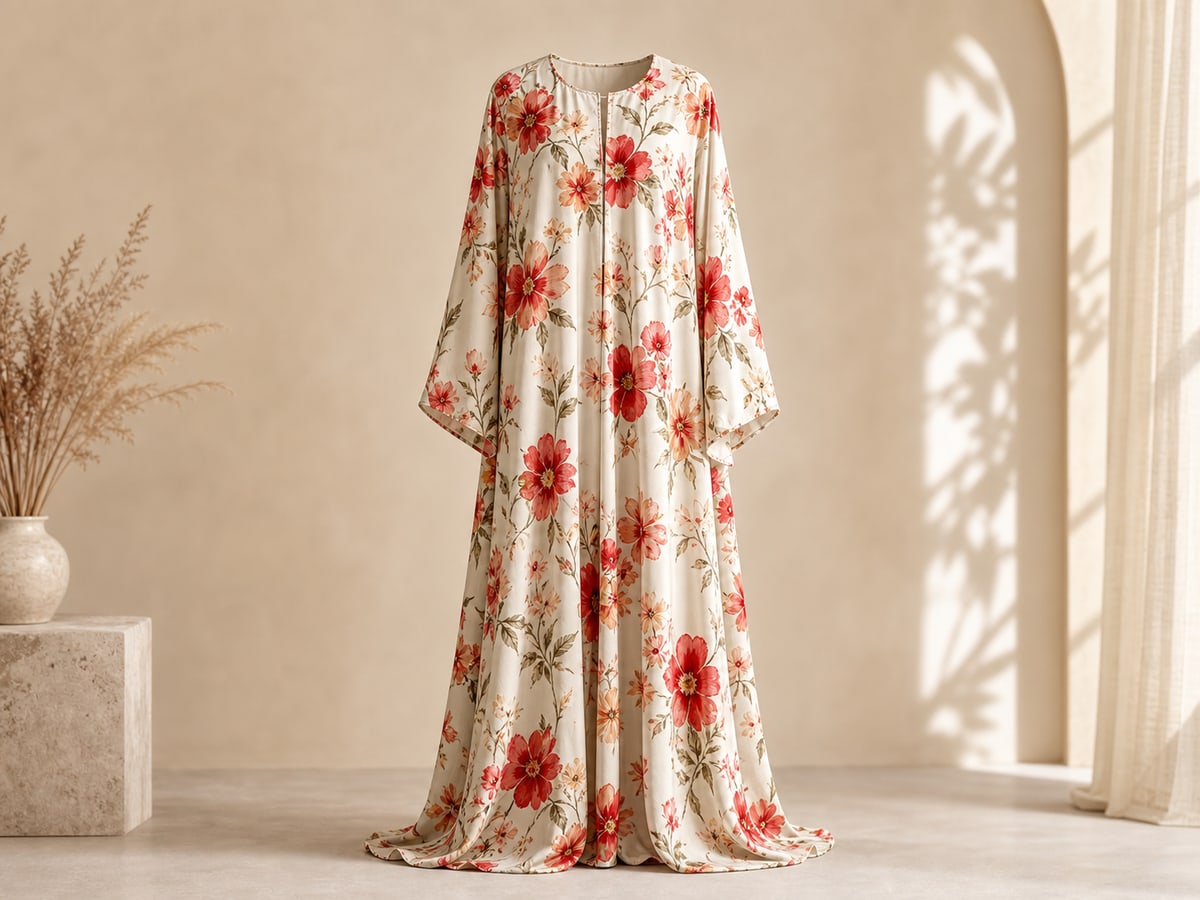 SI-001
 Printed Abaya Dress
A loose modest abaya reference shape for all-over or placement print artwork.
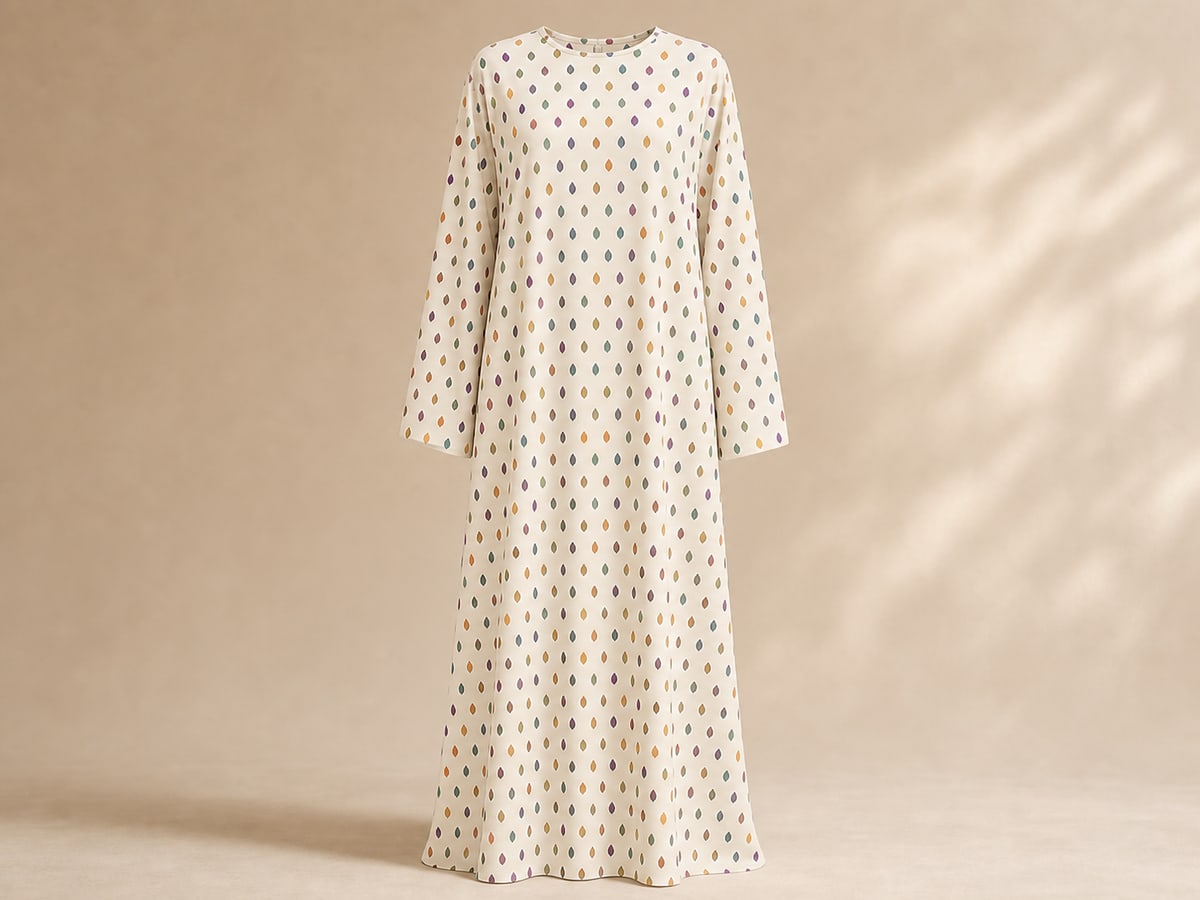 SI-002
 Modest Maxi Dress
A long relaxed dress reference shape suitable for floral, geometric, or AI-generated print artwork.
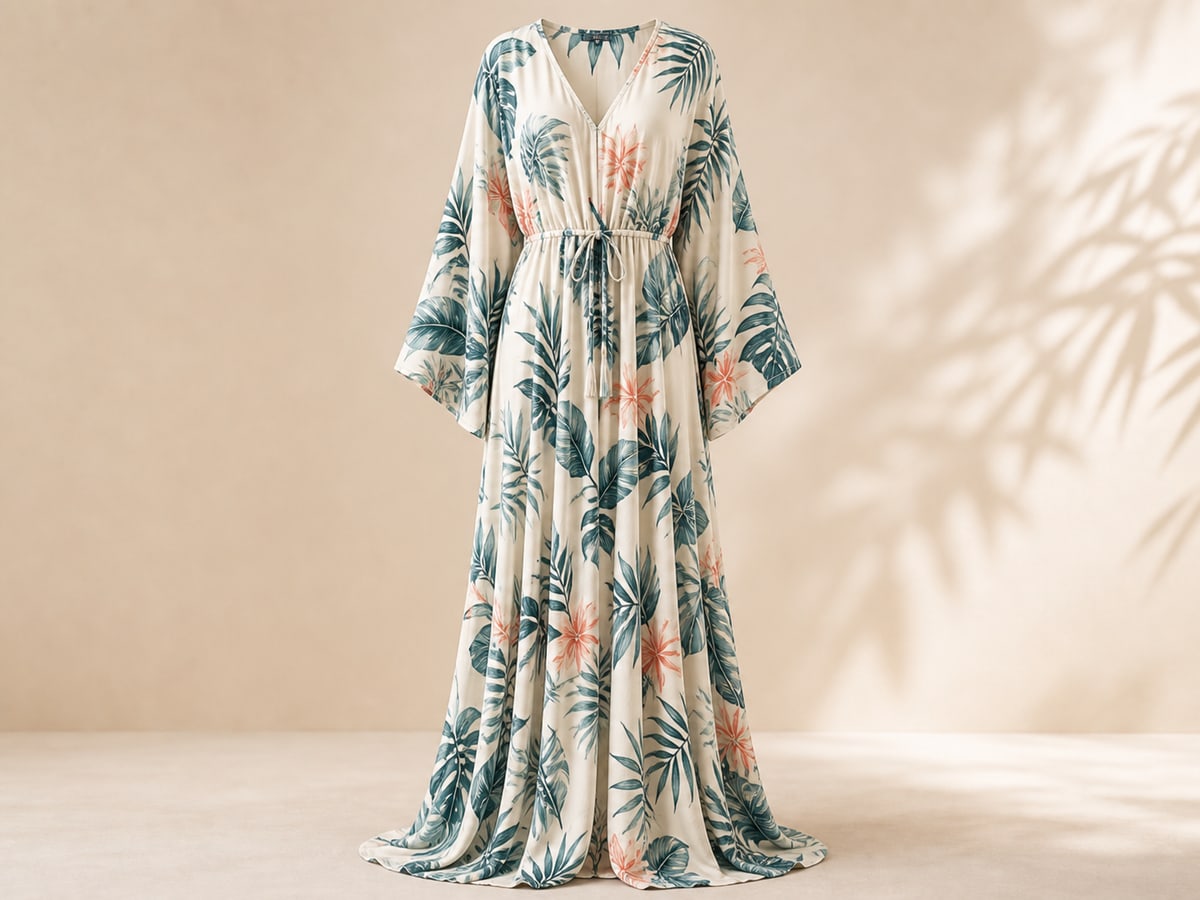 SI-003
 Resort Maxi Dress
A relaxed maxi style reference for vacation, Hawaiian, tropical, and beachwear artwork.
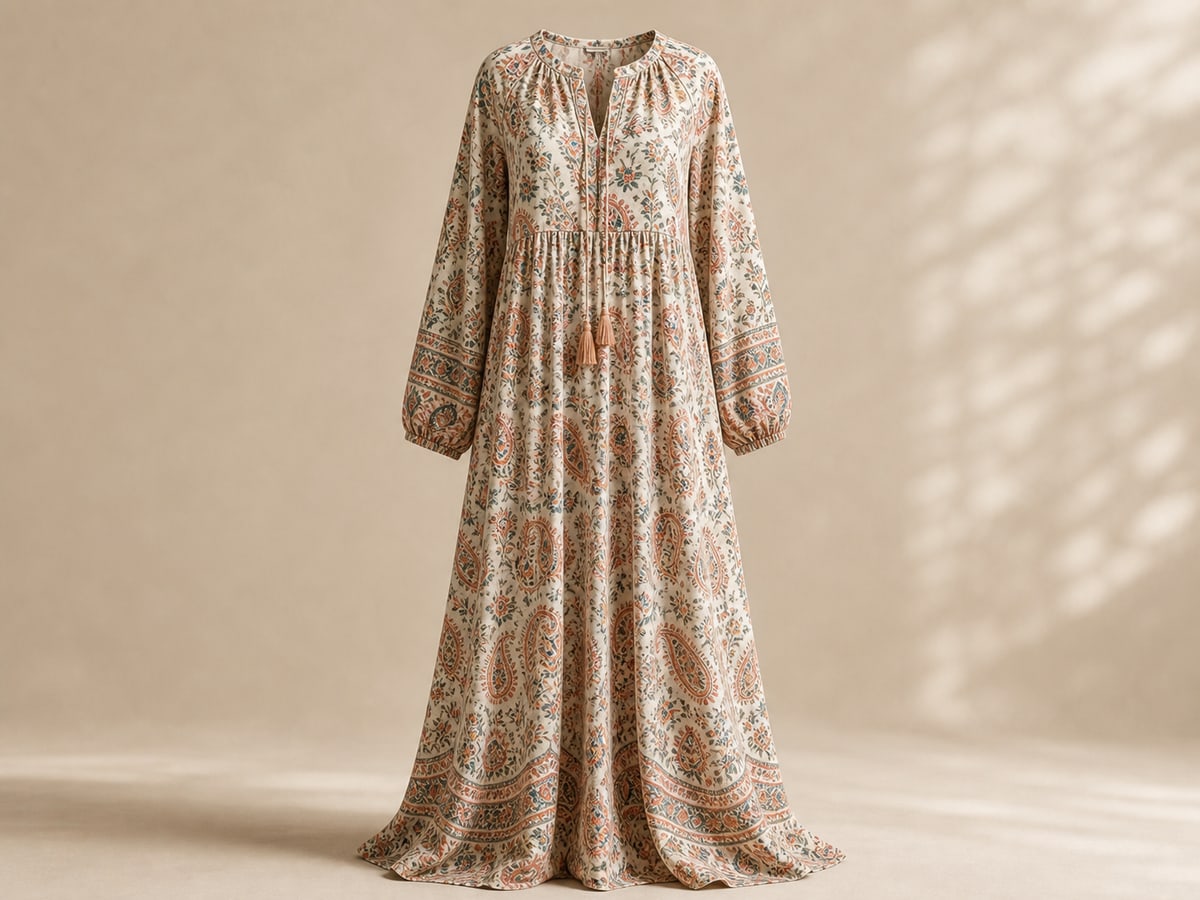 SI-004
 Boho Long Dress
A long loose style reference for bohemian, paisley, ethnic, and floral print ideas.
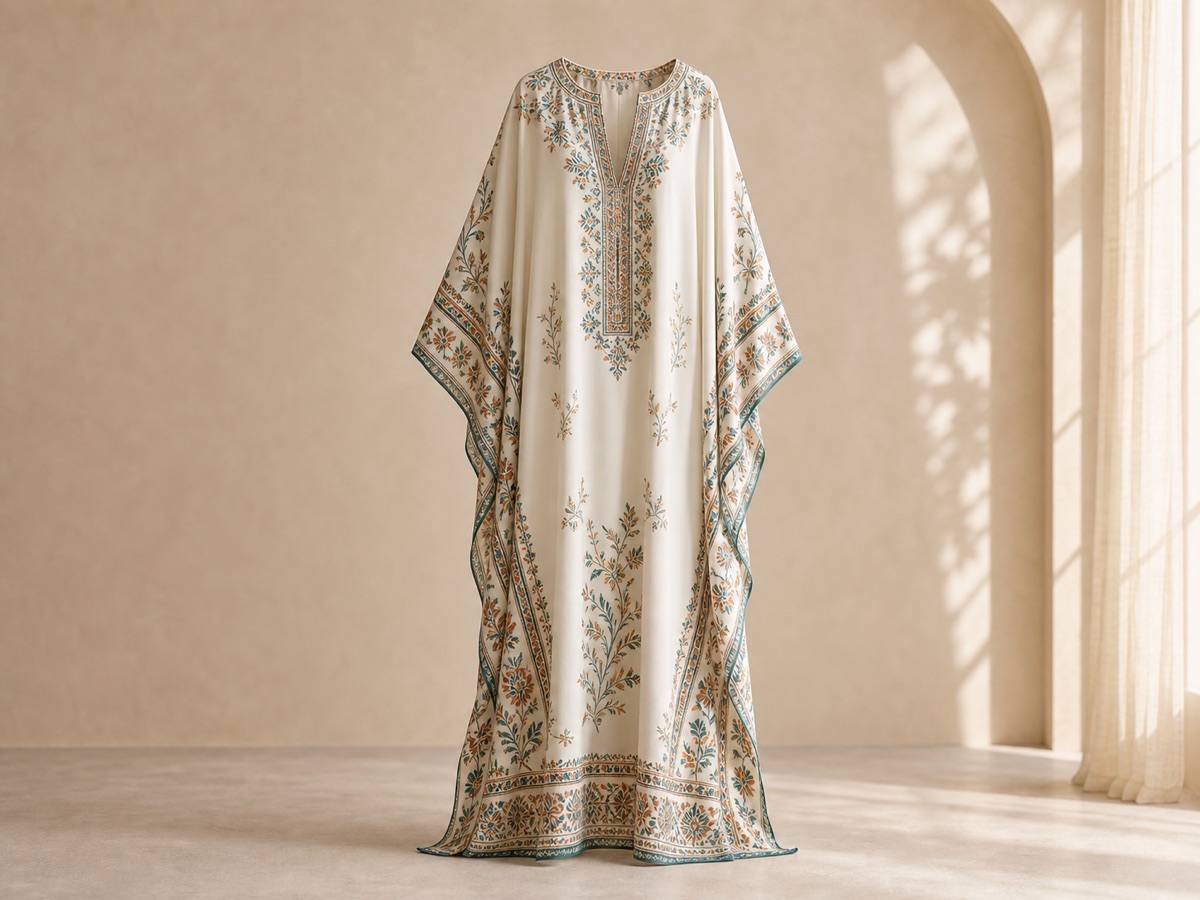 SI-005
 Printed Kaftan Dress
A loose kaftan reference shape suitable for modest, resort, and statement print artwork.
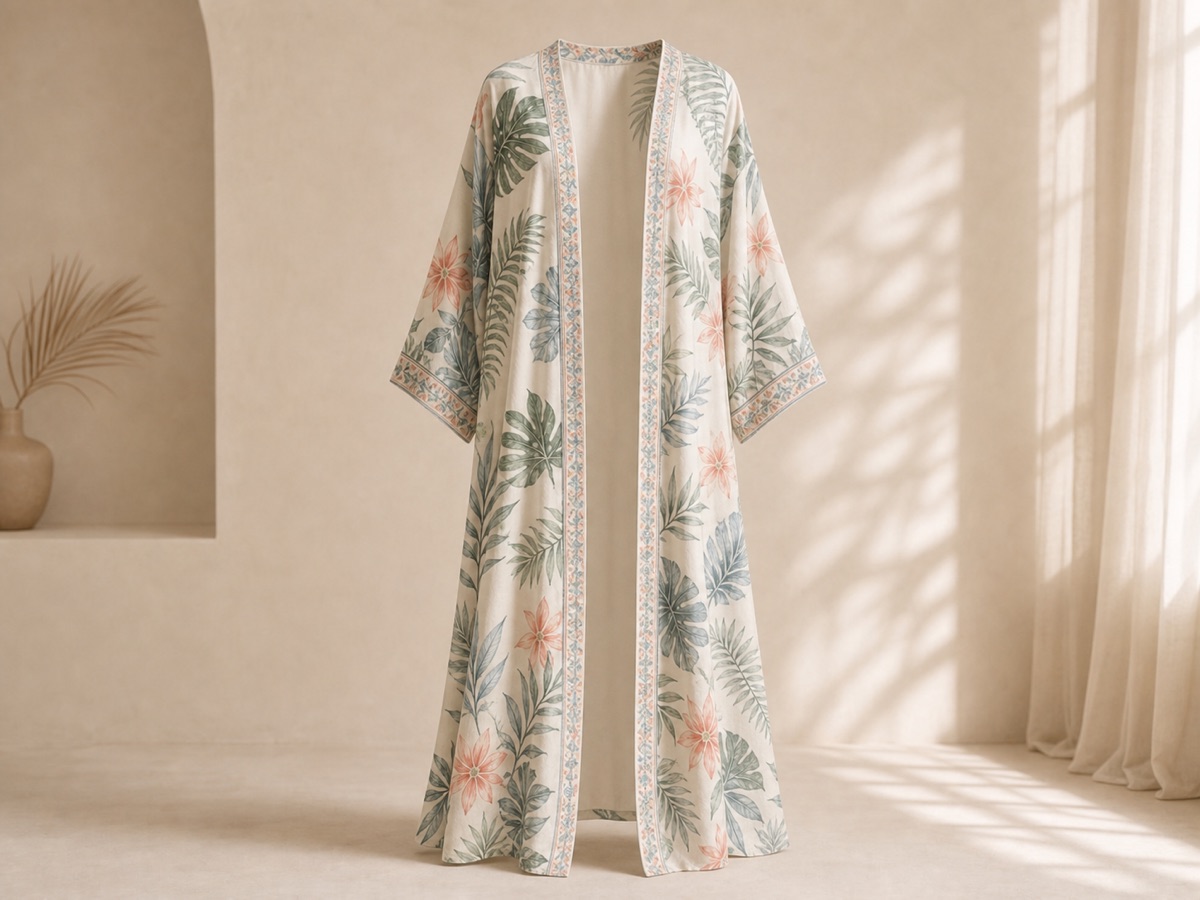 SI-006
 Kimono Cover Dress
A kimono-inspired cover reference shape for all-over print artwork and resort collections.