Fabric and Printing Options for Digital Printed Dresses
The best print result depends on artwork, fabric, opacity, drape, hand feel, target price, and requested garment style. Alohamiss reviews these before sampling.
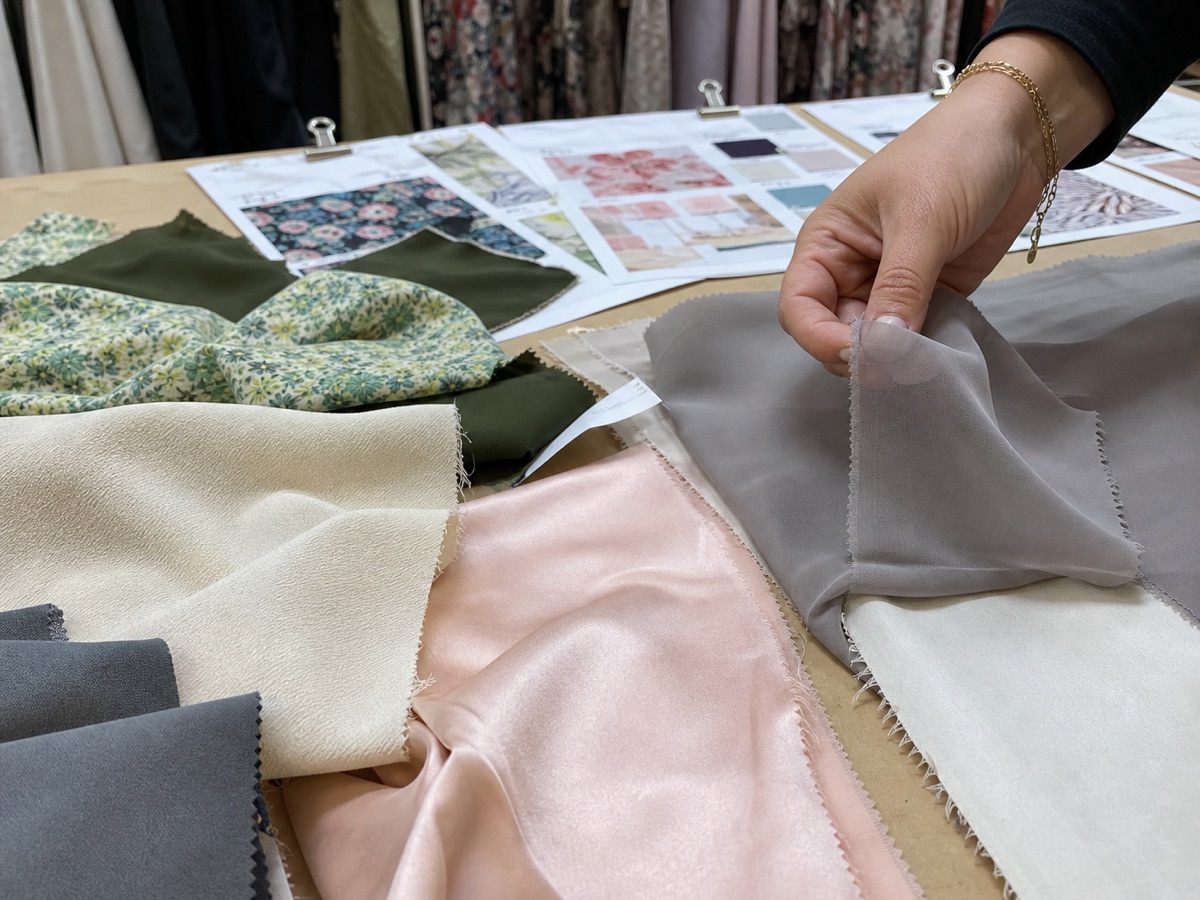
Digital printing
Useful for many customer artwork projects and low-MOQ printed dress development. It still needs fabric, resolution, color, and print scale review.
Sublimation printing
Suitable for specific polyester-based fabric choices and bright resortwear directions when the artwork and fabric are compatible.
Other methods
Screen or alternative printing may be considered for suitable artwork, placement requirements, quantities, and target price.
Fabric is a business decision, not only a visual decision
A print may look attractive in a digital file but fail on the wrong fabric. Modestwear often needs more opacity and coverage. Resortwear often needs lighter drape and color brightness. Boho dresses often need soft movement and a fabric that keeps repeat patterns readable after sewing.
Before sampling, Alohamiss reviews the intended product type, artwork density, color direction, target quantity, price range, and private label needs. This makes the sample more useful because it tests the real production decision instead of only making a pretty mockup.
There is no single best fabric for every custom printed dress. The right choice depends on the buyer, climate, expected retail price, artwork density, and how the garment should move. A fabric that works for a tropical resort maxi may not be appropriate for an opaque abaya, and a fabric that feels premium may push the sample and bulk cost above the brand's target.
Printing method decisions also connect to quantity. A method that is flexible for low-MOQ sampling may not be the most economical for a larger repeat order. Alohamiss reviews the order stage first so the sample can support the likely production path rather than only the first piece.
Fabric checks
- Opacity and lining need for modest categories
- Drape, hand feel, and summer comfort
- Color brightness and stability after printing
- Print clarity for small motifs and repeat patterns
- Target price and MOQ impact
Fabric options reviewed for digital printed garment projects
| Fabric | Common use | Production notes |
|---|---|---|
| Nida | Printed abayas and modest dresses | Good modestwear feel; opacity, drape, and print color should be checked in sample. |
| Crepe | Modest, abaya, and boho dresses | Stable and practical; useful when a brand needs structure and workable print clarity. |
| Chiffon | Layered kaftans, cover dresses, and light resort styles | Light and flowy; may need lining for modestwear and can affect color density. |
| Rayon / Viscose | Resort, boho, and summer dresses | Soft drape and natural movement; review shrinkage, color response, and hand feel. |
| Satin | Premium kaftans, occasion directions, and statement prints | Smooth and shiny; check glare, print clarity, and target price. |
| Polyester blends | Some resort and sublimation-friendly projects | Can support bright color in suitable methods; hand feel and market fit must be reviewed. |
What the sample should prove
The sample should prove more than whether the dress can be sewn. It should confirm the print scale on the requested style or reference cut, the fabric hand feel after printing, the opacity under normal use, the color direction, the finishing, and the private label details.
If a sample exposes a problem, that is useful. A scale issue, lining need, fabric change, or print placement correction is cheaper to solve before bulk production than after many pieces are cut.
Brands should compare the sample against the intended selling context. Check whether the color looks right in normal light, whether the fabric feels right for the customer, whether the print placement looks balanced across sizes, and whether the label and packaging direction supports the final retail product.
Common risk examples
- AI artwork is too low-resolution for garment printing
- Light fabric becomes transparent with pale print direction
- Border print is cut awkwardly by side seams or neckline
- Dark all-over artwork changes hand feel or color expectation
- Large motifs become unbalanced on smaller sizes
Need fabric and print method advice?
Upload your artwork direction and target product type so Alohamiss can recommend suitable fabric and printing options before sampling.