Best Fabrics for Custom Printed Modest Dresses
Compare common fabric options for digital printed modest dresses, abayas, and long dress or robe-style directions.
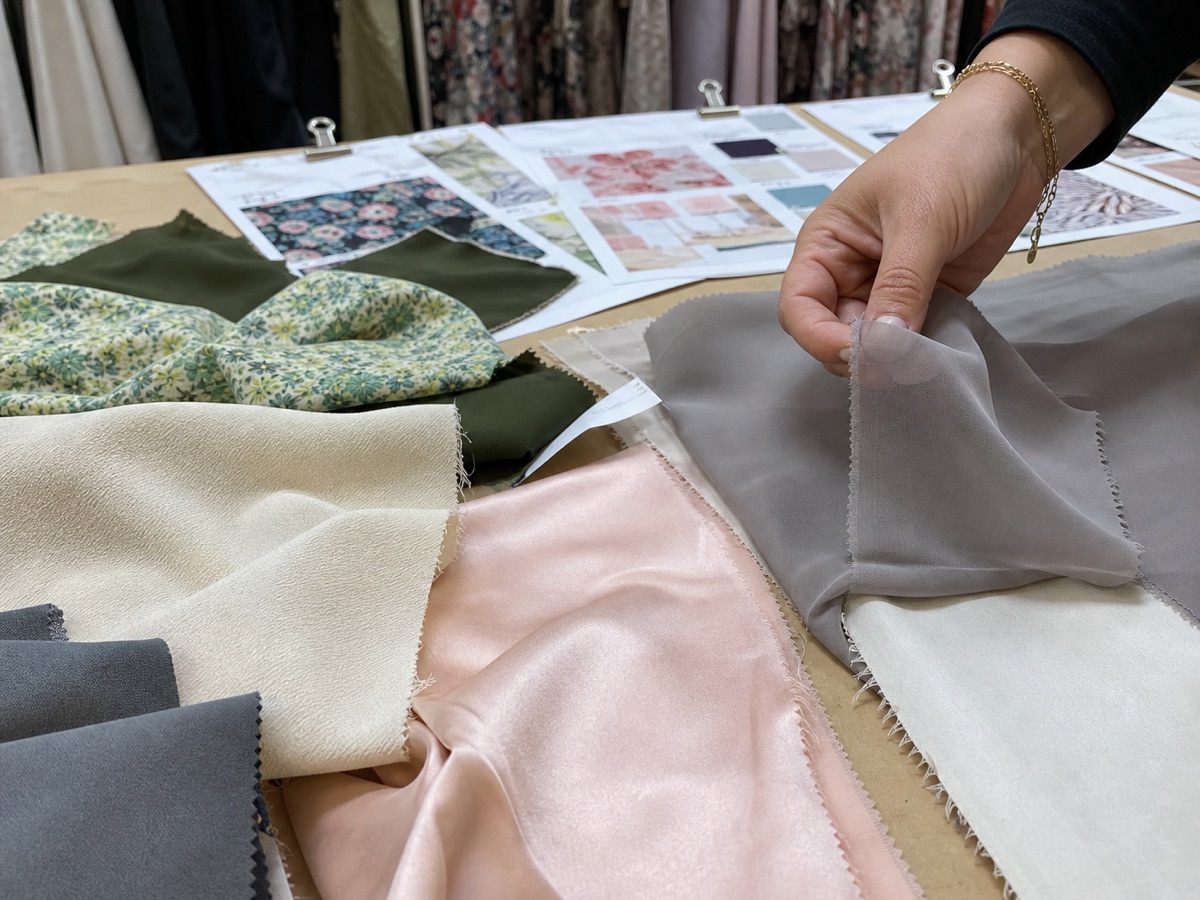
Compare fabric by the finished garment need
For custom printed modest dresses, fabric choice affects opacity, drape, comfort, color result, and cost. A print that looks good on a lightweight resort dress may not be suitable for a modest abaya if the fabric becomes too transparent or does not fall correctly.
Crepe is a practical option for many printed modest dresses because it can offer stable drape and workable opacity. Nida is often considered for abaya directions because of its modestwear feel. Rayon and viscose can give a softer hand feel and strong movement, but the exact print result depends on fabric construction and supplier availability.
Chiffon can work for layered dresses or kaftan directions, but it often needs lining if the garment must be modest. Satin can create a smoother and more premium look, but shine, hand feel, and print result need review. Cotton blends may work for some boho or casual modest styles but may not suit every print method.
The fabric should be chosen with the artwork, not after it. A dense dark print can behave differently from a light floral print. A large motif can look sharper on one material and softer on another. If the garment is long, the weight and movement of the fabric become even more important because the print is seen across a larger surface.
Check opacity, drape, and print response
Opacity should be checked early. Light prints on thin fabric can become see-through. Dark all-over prints can change the hand feel and may create color stability concerns. The sample should confirm whether the fabric still feels comfortable after printing and whether the garment remains modest in real use.
Drape matters because many modest dresses are long. A fabric that is too stiff can make the garment look heavy, while fabric that is too soft may not hold the intended shape. The right choice depends on sleeve design, dress length, print density, market, and target price.
The best fabric decision comes from reviewing the artwork, requested style, quantity, target market, and sample goal together. Alohamiss can recommend suitable fabric and printing directions after seeing the artwork and understanding whether the project is for abaya, kaftan, modest maxi, resort dress, or boho long dress.
For private label modestwear, fabric choice also affects care labels, packaging, and customer expectation. A premium hand feel may support a higher retail price, while a lower-cost fabric may help a trial order but create compromises in opacity or drape. The sample should make those tradeoffs visible before bulk production.
Approve the exact fabric direction
A practical fabric review should include both technical and commercial questions. Will the customer accept the hand feel? Does the fabric support the artwork colors? Is lining needed? Does the sample cost match the brand budget? Will the same fabric be stable enough for the intended order quantity?
The final fabric choice should be recorded before bulk planning. If a brand approves a sample in one fabric but later changes to another, the print, drape, opacity, and cost assumptions can all change. That is why the sample approval should reference the exact fabric direction, not only the dress style.